
Quick Inspection Tips For Realtors: A Pre-Inspection Check List
As inspectors, we always want to provide as much detail as possible.
But sometimes there are things that may prevent uncovering those details and may leave a buyer or seller feeling a sense of uncertainty. Like a big question mark stamped on their report.
So what can be done to help make sure we avoid any unnecessary lapses in details?
Let’s discuss…
Ensure Utilities are Turned On:
There’s nothing worse than finding out water, gas or electricity is turned off at the time of an inspection. It may seem like unlikely that utilities would be turned off for an inspection, and in a majority of cases that is probably true! But there are indeed circumstances where an inspection may be left seemingly incomplete because of this.
Picture this….
Buyer: “So, did you notice any leaks in the plumbing?”
Inspector: “Well… the current owner had actually shut the water off so I wasn’t able to confirm that.”
Buyer: “Oh… Can you turn it back on to check?”
Inspector: “I actually can’t turn it back on in case there is a leak. For all I know turning it back on may lead to water damage.”
Buyer: “…”
Inspector: “I’m sorry but unless the current owner turns on the water to the house, I won’t be able to confirm any existing conditions.”
I think it’s fair to say that this is an unsatisfying interaction between a potential buyer and inspector.
Ensuring utilities are turned on prior to inspections can be helpful, especially when that property was previously used as a rental or was sitting vacant.
Confirm Accessibility:
This goes hand in hand with the inspection of utilities mentioned above. In some cases access to furnaces, water heaters or electrical panels may be blocked or otherwise inaccessible.
An inspection of a home “should” always be non-invasive. Essentially meaning an inspector won’t do something that could cause damage to the property.
Example:
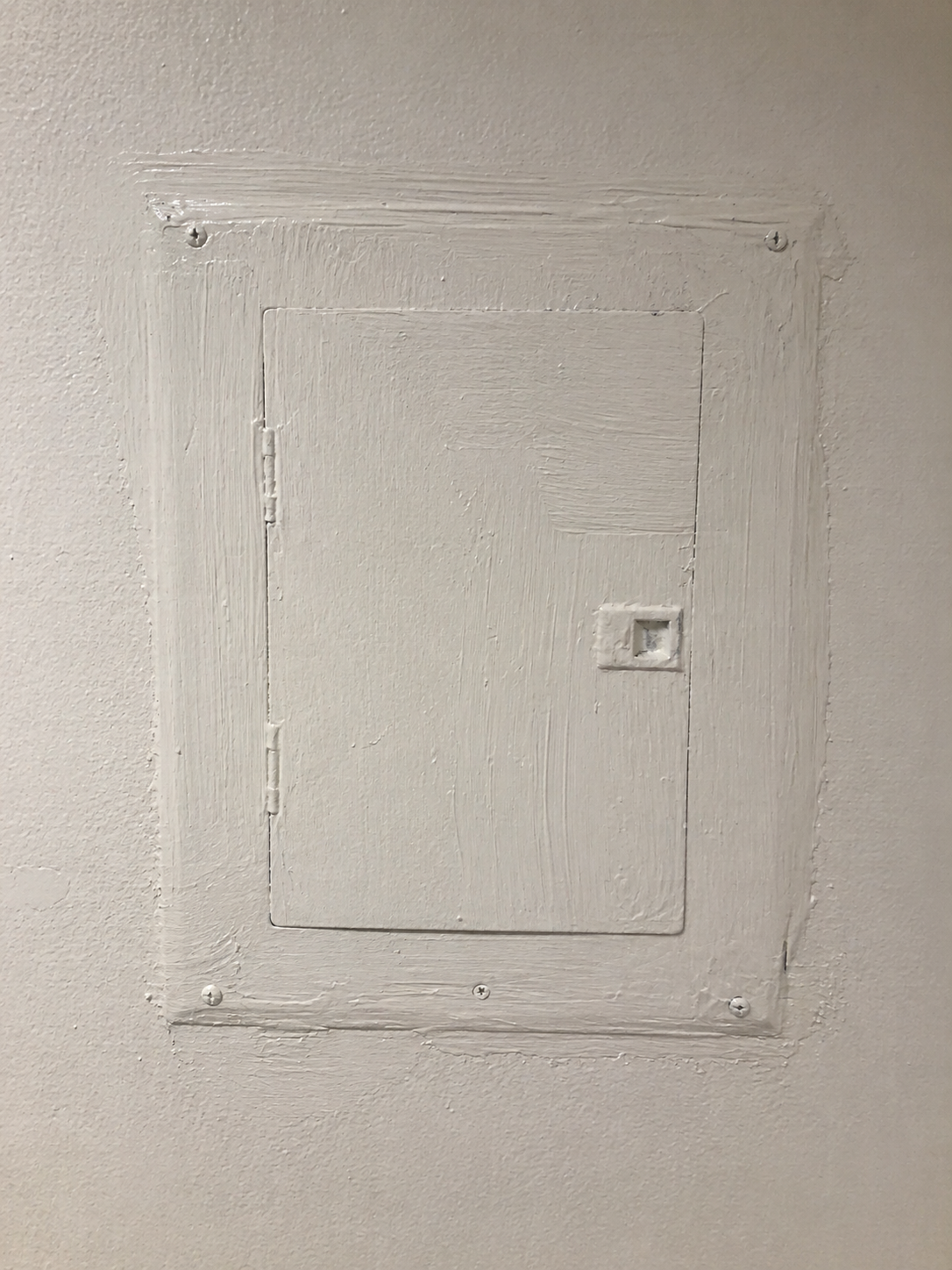
Here we have a panel that was partially painted over. In order to remove the panel cover completely to view the wiring within. Paint would chip and drywall underneath may also become damaged.
In this case doing a complete check of the electrical panel would mean damage to the wall and not causing damage meant the panel would not be 100% inspected.
Other instances of inaccessibility would involve occupants personal items, furniture or even locks preventing access to these utilities. Sometimes there simply be too many items in the way to move and also fit the entirety of an inspection in the designated time frame.
This last one may seem obvious….
Make sure pets are put away!
We think this is pretty self explanatory. Although we do love pets, needing to fight past cats, dogs or snakes will probably have an affect on how well an inspection can be conducted.
Moral of the story is, when a home is prepared in such a way that an inspector can fully assess all components; the details in your report will be much greater.
The goal is always to make buyers feel confident (or at least less stressed) and the more information you can refer to will usually help with that.