
How long does your roof really last?
As a home owner, or someone who may be looking into the purchase of a home. One of the most frequently asked questions is…
“How long until we have to replace the roof?”
To those people, I would like to say…. Great Question!
There is a lot of grey area to navigate in terms of an inspection being conducted.
For example, an inspection may only last a few hours. Which is just a mere snap shot of a roofs entire life span. Some circumstances may not be foreseen like a pack of woodpeckers invading your cedar shingles, or a storm leaving behind debris. There are probably countless examples of things that will shorten your roofs life span…
So today we are going to talk about your roof!
Lets start with the lifespan of different roofing materials.
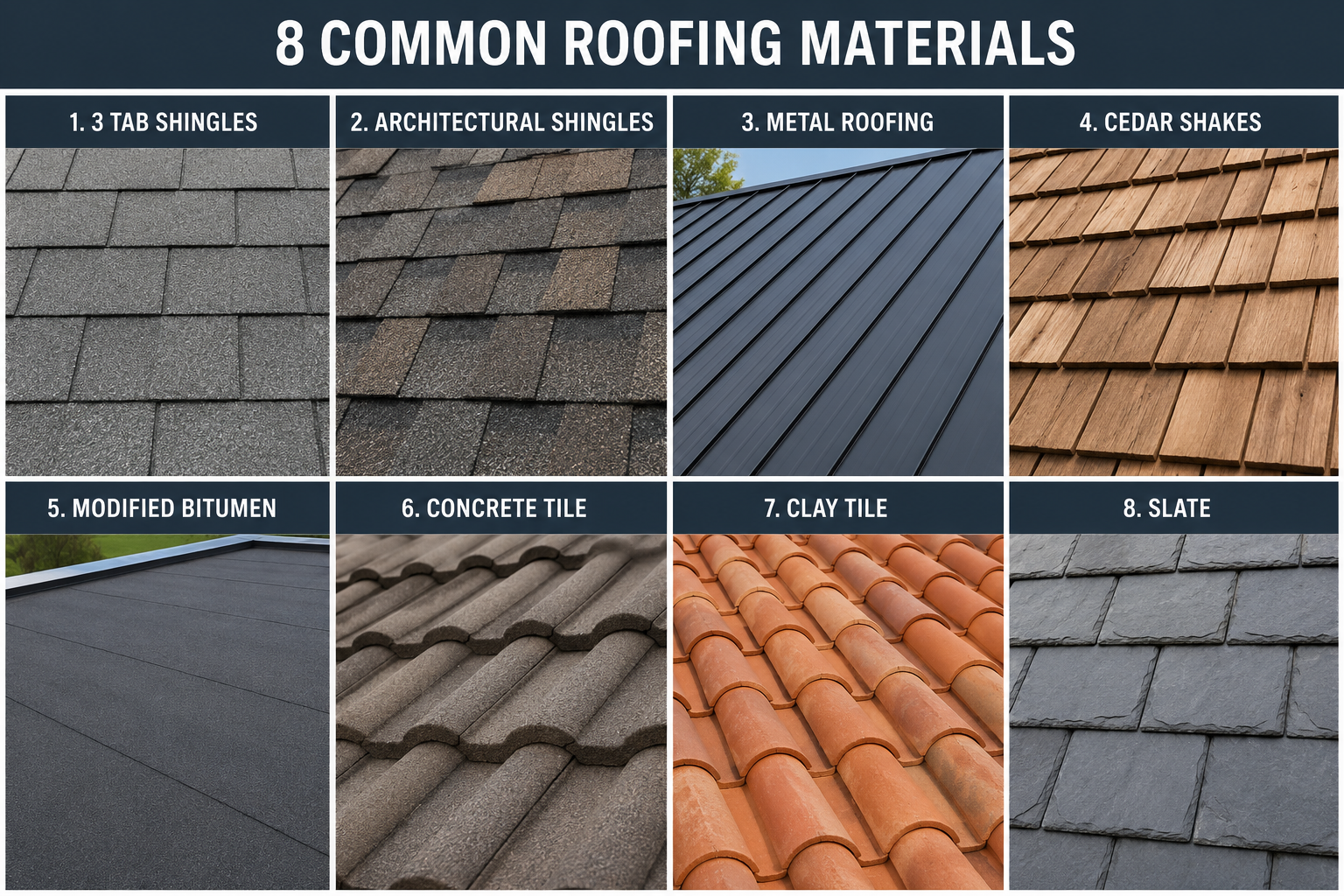
1. 3 Tab Shingles - 15 - 25 years
2. Architectural Shingles - 25 - 30 years (these shingles are meant to look similar to cedar roofing)
3. Metal Roofing - 40 - 70 years
4. Cedar Shakes - 25 - 40 years
5. Modified Bitumen - 20 - 30 years
6. Concrete Tile - 50 - 75 years
7. Clay Tile - 75 - 100+ years
8. Slate - 75 - 150+ years
There are some things you may want to consider when it comes to the roofing materials above and the different life spans…
More often than not, the materials that last the longest are going to be more expensive.
Just because there is a general life expectancy for each material, it doesn’t necessarily mean it will last that long. ESPECIALLY without proper maintenance and care throughout that time.
If necessary maintenance is performed on a roof there is a much better chance it will last. This does not pertain to large flying objects destroying your roof; a washing machine falling from the sky will always shorten the lifespan of your roof… I digress…
What does proper maintenance for your roof look like?
Our roofs are our first line of defence for the elements. Shedding water away from the structure is exactly what they are for. So anything that would otherwise prevent water from shedding needs to be addressed in the maintenance we perform.
Moss Growth is very common in BC. It's cold wet, then warm wet, then moss growth. Moss is very good at holding moisture. Moisture over a long time usually means adjacent organic materials can start to deteriorate. If left completely unresolved moss can actually begin to hold a substantial amount of weight, in conjunction with the deteriorating framing members that would be a worst case (very expensive) scenario.
The North facing side of a roof is actually more likely to experience moss growth because it will naturally receive less sunlight.
Solution: If you notice moss growing on a majority of a section of roof, it should be cleaned prior to the more rainy seasons to avoid moisture retention and any possible damage.
Debris In Gutters is something I think everybody can relate to. In BC we are usually surrounded by trees or some sort of foliage. All it takes is one wind storm then suddenly water seems like it’s overflowing off the edge of your house. While it may not seem like much, over time that overflowing water can erode along the foundation of a home (to be clear it would take either a lot of time or a lot of water to erode your homes foundation).
Solution: Clean your gutters annually, specifically before the more rainy seasons. Alternatively you can install gutter screens to help prevent debris buildup within the system. These screens still require cleaning, especially if there are signs of water not flowing with the gutters and downspouts.
These are the basic guides to roof care and may vary depending on the environment you live in.
Now, lets talk about what signs you can look for to ensure problems don’t get any worse if they are already existing.
What things can you look for in a roof?
Roof Sagging may actually be easiest to spot from the ground looking up. If you can notice sagging between rafters/trusses in the roof, that may be your question to have it assessed.
Lots of De-laminating or Missing Shingles becomes more common with older age of a roof. De-lamination refers to shingles becoming unstuck and begin to peel off. Both missing and de-laminating shingles can lead to water ingress of water run off.
Missing Granules will be harder to spot unless you’re up close to the shingles. Each piece of shingle is covered in a gravel like texture, which actually helps with the amount of heat that is able to penetrate the roof. If a noticeable amount of granules are being lost on the roof space, a tune up may be in order.
Flashing Issues is can refer to a few different things… Either way have them replaced!
Rust to the point of holes beginning to form in the flashing means it will not shed water how it is suppose to.
Incorrect Installation may look like flashing on top of roofing shingles instead of being underneath or incorrect layering of flashing pieces that would not direct all water away.
Missing Entirely may not be as likely, but is still a possibility!
Spots that seem chronically wet or Pooling >48hrs is more likely going to be for the flat roofers out there, although flat sections may exist on a roof thats primarily pitched. If there are sections of roof that seem wet all the time or have standing water, this is not ideal for the longevity of your roof. Drainage issues or opportunity to dry are the most likely culprits.
Aligatoring (Flat Roof Only) Is a common sign of aging on flat roofs made with modified bitumen. Quite literally looks like scales forming on the roofing material, hence the term “aligatoring”. Ensuring drainage is functioning properly can help with unnecessary ware on roofing material.
There may be some things not mentioned on things to look for…. But the point is the same…..
Take care of your roof and it will take care of you (and your family)
Roofing materials have life expectations that can be shortened but also optimized depending on what they are exposed to and how well they are taken care of.
We hope these insights have been helpful and as always we are happy to answer any questions you may have about this or any other content you may read.
Just reach out using the information below, thank you for reading!